Choosing the right lens can completely change the way your video or photo looks. This quick guide explains the differences between wide-angle, telephoto, and fisheye lenses and when to use each.
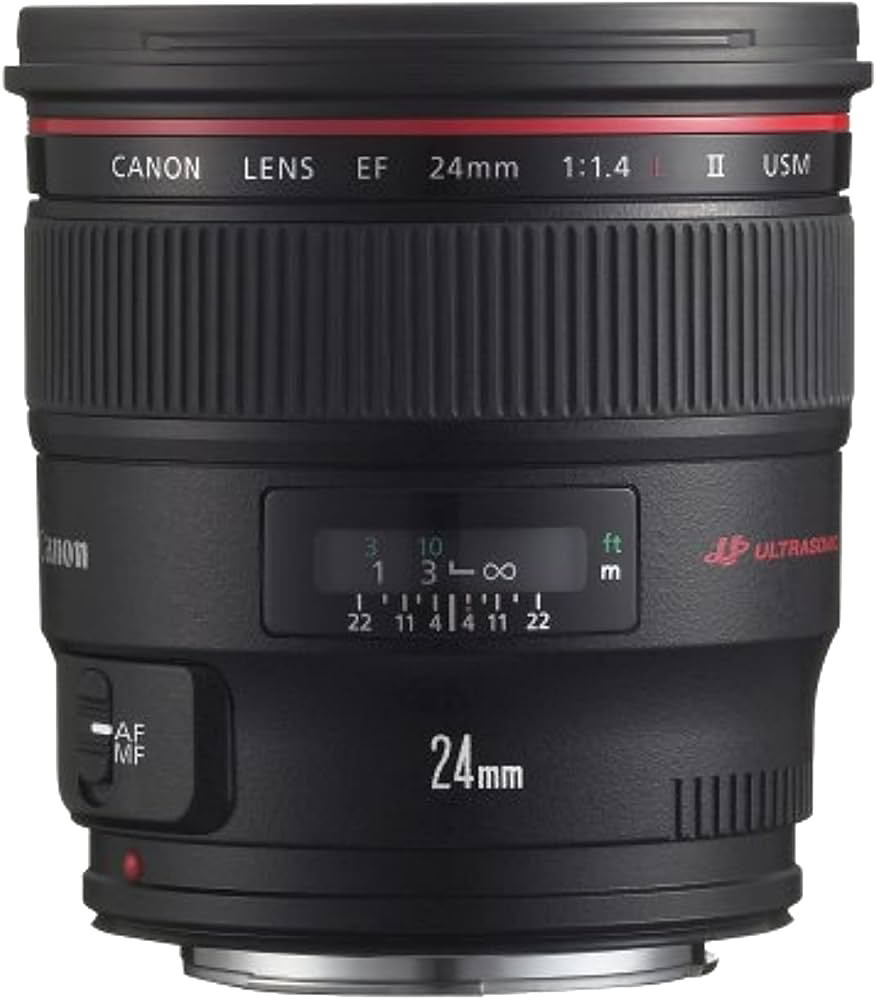
Wide-Angle Lenses
- Focal length: Usually 16-50mm
- Field of view: Captures a large scene in a single frame
- Use for: Landscapes, classrooms, group shots, or when you want to show a lot of context
- Effect: Objects appear farther apart, and edges may stretch slightly
Tip: Great for cramped spaces because you can fit more into the shot without backing up.
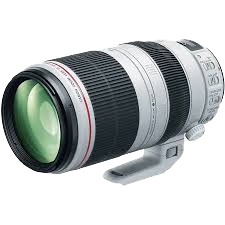
Telephoto (Higher Focal Length) Lenses
- Focal length: 70mm or higher
- Field of view: Narrow; zooms in on distant subjects
- Use for: Sports, wildlife, interviews, or any shot where you can’t get physically close
- Effect: Compresses depth, making background and foreground appear closer together
Tip: Requires steady hands or a tripod.
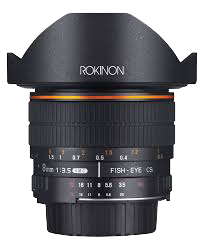
Fisheye Lenses
- Focal length: Typically around 8–16mm
- Field of view: Ultra-wide, often 180°
- Use for: Creative effects, immersive shots, extreme perspectives, or 360° capture setups
- Effect: Distorts the image, curving straight lines and exaggerating scale
Tip: Fun for dramatic or artistic shots, but not ideal for standard portraits or professional-looking video.
Helpful Tips
- Always consider your space and subject before choosing a lens
- Use wide lenses for tight rooms, telephoto for distant subjects, fisheye for creative or immersive effects
- Check your camera’s crop factor as smaller sensors make lenses appear more zoomed in
- Experiment! The more you try different lenses, the better you’ll understand their effects